









|
Quantity
|
Total
|
||
|
|
|||
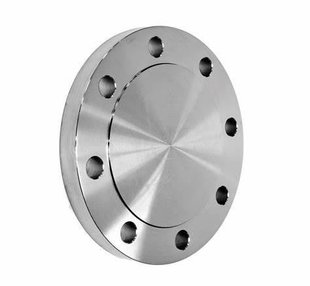
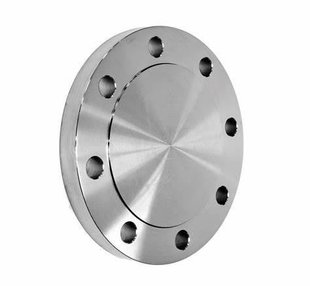
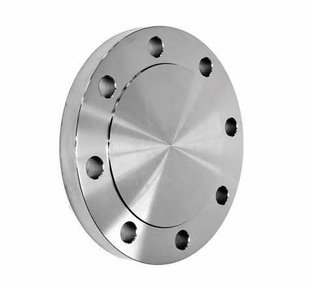
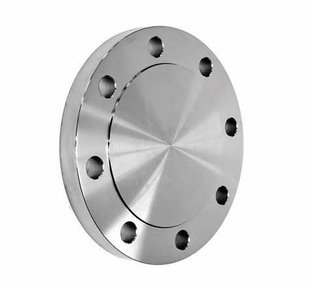
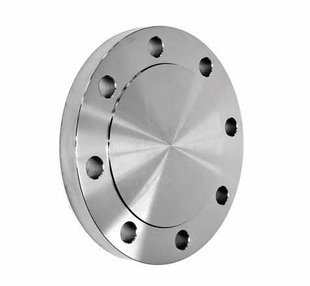
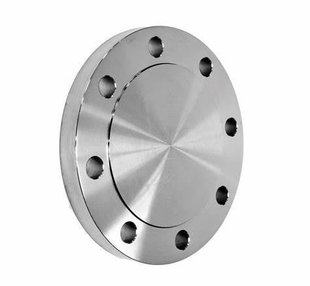
Blind Steel Flanges PN 25 DSTU 12836
PN 25 blind steel flanges according to DSTU 12836 are designed for reliable and detachable closure of pipeline ends, branch connections, process lines and flanged equipment connections.
A blind flange is a solid steel flange without a central flow opening. It is installed against a mating flange using a suitable gasket and bolting or stud bolts. This design allows a pipeline section to be isolated while maintaining a detachable connection for future inspection, maintenance or modification.
PN 25 blind flanges are used in pipeline systems where the selected flange execution is suitable for the required nominal pressure class.
Main purpose of PN 25 blind flanges
The primary function of a blind flange is to close the pipeline passage. Unlike a standard through flange, a blind flange has no central opening for the working medium.
Typical applications include:
- closing pipeline ends;
- isolating process branches;
- temporary pipeline closure;
- industrial pipeline systems;
- water supply systems;
- heating networks;
- pumping stations;
- process equipment;
- utility infrastructure;
- maintenance and repair operations.
Main technical parameters
When selecting a blind steel flange PN 25, the following parameters should be checked:
- DN — nominal diameter;
- PN — nominal pressure;
- manufacturing standard;
- steel grade and material;
- outside flange diameter;
- bolt-hole diameter;
- number of bolt holes;
- bolt-hole pitch circle;
- flange thickness;
- sealing-face configuration;
- compatible bolts or stud bolts;
- suitable gasket.
The exact dimensions depend on the selected DN and execution. Therefore, dimensions should be checked against the relevant technical table and drawing before ordering. Reference dimensional tables for GOST 12836 PN 25 blind flanges show different dimensions for different nominal diameters.
Advantages of blind steel flanges
Blind steel flanges provide a strong and detachable method of closing pipeline sections.
Their main advantages include:
- reliable pipeline isolation;
- high mechanical strength;
- detachable bolted connection;
- convenient access for maintenance;
- standardized connection geometry;
- suitability for industrial and utility applications;
- possibility of future pipeline modification.
How to select a PN 25 blind flange
The first step is to determine the required DN and confirm that the application requires PN 25.
The next step is to check the complete connection geometry. The blind flange must match the mating flange in terms of diameter, bolt-hole pattern, number of holes, thickness and sealing arrangement.
The material must also be suitable for the working medium and operating temperature. For industrial applications, selection should be based on the project specification and technical documentation.
Installation
Before installation, the mating flange surfaces should be cleaned and inspected. The correct gasket must be positioned between the sealing surfaces.
Bolts or stud bolts should be tightened evenly and in a controlled sequence to prevent flange distortion and uneven gasket loading.
After installation, the assembled connection should be inspected and tested for tightness according to the applicable project and operating requirements.
Applications
PN 25 blind steel flanges can be used in industrial pipelines, water supply and heating systems, pumping stations, process installations, utility networks and other engineering systems where the selected material and design are appropriate for the operating conditions.
The suitability of a particular flange must always be confirmed according to the working pressure, temperature, medium, material and project requirements.
PN 25 blind flanges from «ТРУБОПРОВІДНІ СИСТЕМИ УКРАЇНИ»
«ТРУБОПРОВІДНІ СИСТЕМИ УКРАЇНИ» supplies pipeline valves, flanges, pipes, fittings and engineering-system components.
For correct selection of a PN 25 blind steel flange DSTU 12836, provide the required DN, quantity, material and, if available, a technical drawing or specification.
Conclusion
PN 25 blind steel flanges DSTU 12836 are designed for closing pipeline sections while maintaining a detachable flanged connection. Correct selection requires matching DN, PN 25, standard, material, connection dimensions, fastening elements and gasket type.
FAQ
What is a PN 25 blind steel flange?
It is a solid steel flange without a central flow opening. It is used to close a pipeline end or a flanged equipment connection.
What is a PN 25 blind flange used for?
It is used to isolate and close pipeline sections, process branches, reserve lines and flanged equipment connections.
What does PN 25 mean?
PN 25 indicates the nominal pressure class of the flange execution. Actual operating limits must be confirmed using the technical documentation for the specific product and application.
How do I choose the correct blind flange size?
Determine the required DN and then verify the complete connection geometry, including outside diameter, bolt-hole pattern, number of holes, thickness and sealing configuration.
Does a blind flange require a gasket?
A gasket is normally installed between the mating sealing surfaces. The gasket material should be selected according to the working medium, temperature, pressure and sealing-face design.
What fasteners are used?
Depending on the specific flange execution, bolts or stud bolts with suitable nuts and washers are used.
Can a PN 25 flange replace a PN 16 flange?
Not automatically. The pressure requirements, connection dimensions, materials and project specifications must be checked before making such a substitution.
How can I order a DSTU 12836 PN 25 blind flange?
Provide the required DN, PN 25, material, quantity and, if available, a drawing or technical specification. This information allows the required flange execution to be checked before ordering.