






|
Quantity
|
Total
|
||
|
|
|||
Thermal Insulation
Thermal insulation limits heat transfer between pipework and its surroundings, helping maintain the required fluid temperature and reduce energy losses. On cold services, a correctly designed system also controls surface condensation. Pipe insulation is used in heating, domestic hot and cold water, HVAC, refrigeration and industrial process lines. Material type and thickness must match the operating temperature, ambient conditions and project requirements.
Main Types of Pipe Insulation
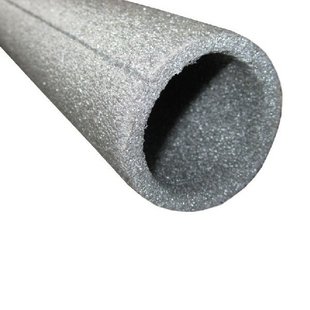
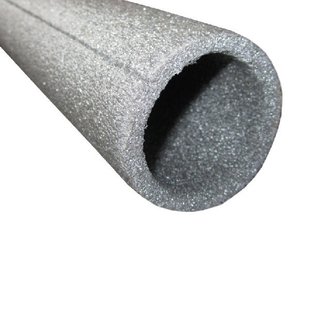
The category is organised into three material groups. Polyethylene foam is available as lightweight flexible tubes or sheets with a closed-cell structure. It is commonly selected for indoor heating and water services where straightforward installation and reduced heat loss are priorities.
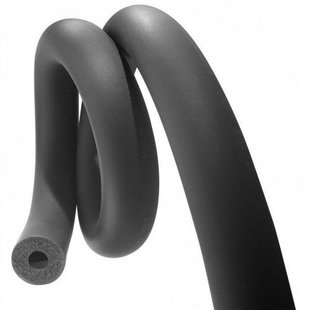
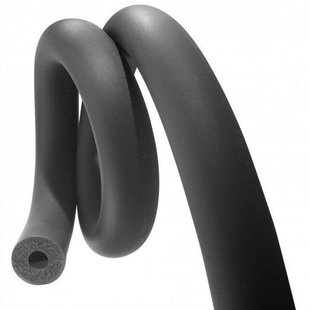
Elastomeric rubber foam conforms well to pipes, bends and fittings. Its closed-cell structure makes it suitable for condensation-control applications in cooling, refrigeration and process systems, provided the selected product matches the temperature and water-vapour conditions.
Mineral wool pipe sections are primarily used on hot services, boiler-room pipework and industrial installations. Preformed split sections fit around straight pipes, while bends and valves require accurately cut segments or a compatible sheet-based solution.
Materials and Product Formats
Polyethylene and elastomeric foams combine flexibility with a closed-cell structure. Mineral wool is fibrous and requires appropriate protection against moisture and mechanical damage. Common formats include split tubes, preformed cylinders, sheets and rolls. Foil facings, polymer jackets and metal cladding may be incorporated into a complete insulation system, subject to the product specification.
Typical Applications
Technical pipe insulation is used in heating, DHW, cold-water, district-heating and HVAC services. On hot lines, it reduces heat loss and limits exposed surface temperature. On cold lines, correct thickness and sealed joints help prevent condensation. Industrial selection must also consider the process medium, fire-performance requirements, moisture exposure and mechanical loads.
How to Select Pipe Insulation
Start with the pipe’s actual outside diameter, fluid and ambient temperatures, relative humidity, installation location and required insulation thickness. Check declared thermal conductivity, water-vapour diffusion resistance, reaction to fire, UV resistance and mechanical durability in the specific product data sheet. Outdoor installations normally require weather-resistant cladding. Cold services need a continuous vapour-control layer with sealed longitudinal and circumferential joints. DN may identify the pipeline, but the insulation bore must match the measured outside diameter.
Why Order from PIPELINE SYSTEMS OF UKRAINE
The website separates the category into polyethylene foam, elastomeric rubber foam and mineral wool solutions. This allows buyers to narrow the initial selection for building services or industrial pipework. Product format, current availability, price and pipe compatibility can be confirmed before ordering. Retail and wholesale orders can be arranged with delivery across Ukraine.
Popular Sizes
There is no single size range shared by every insulation material. A technical enquiry should specify:
- insulation bore matched to the pipe outside diameter;
- required insulation wall thickness;
- preferred format — tube, section, sheet or roll;
- straight pipe length and the number of bends, tees and valves.
CTA
Send an enquiry to order pipe insulation for your operating conditions and installation layout. Confirm the current price, availability, required thickness and delivery options in Ukraine.
FAQ
Is pipe size alone enough to select insulation thickness?
No. Pipe diameter is only one input. Fluid temperature, ambient temperature, relative humidity, thermal conductivity, installation location and the permitted heat loss or condensation risk must also be considered.
Why are sealed joints critical on cold pipework?
Open joints allow humid air to reach the cold pipe or insulation interface, where moisture may condense. Longitudinal seams, butt joints, fittings and support penetrations should therefore be sealed according to the manufacturer’s installation instructions.
Can polyethylene foam and elastomeric foam be used interchangeably?
Not automatically. Their temperature limits, thermal conductivity, vapour resistance, fire classification and mechanical properties vary by product, so suitability must be checked against the relevant technical data sheet.
Does mineral wool pipe insulation require cladding?
The need for cladding depends on the installation environment and the selected product. Outdoor, wet or mechanically exposed locations normally require a compatible protective jacket designed to keep the insulation system serviceable.
How should insulation for valves and fittings be estimated?
Valves, flanges, tees and bends should be measured separately from straight pipe runs. They may require cut sections, sheet insulation or removable covers, with an allowance for joints and installation waste.