








|
Quantity
|
Total
|
||
|
|
|||
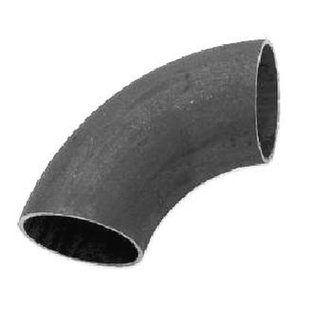
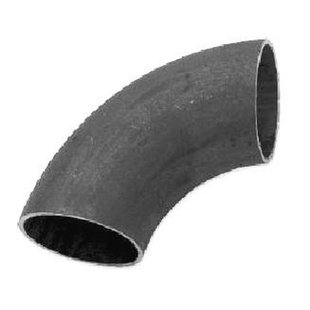
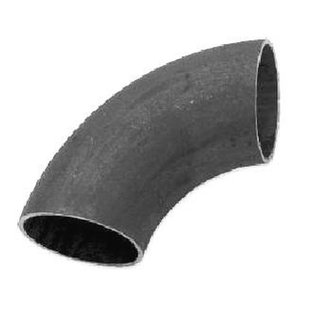
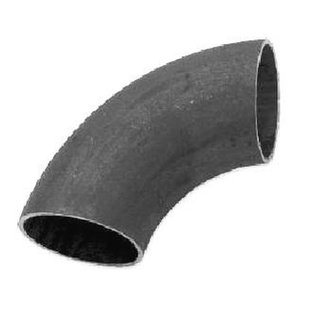
Uncoated Steel Long Radius Elbows
Uncoated steel long radius elbows are pipeline fittings designed to change the direction of a steel pipeline without creating a complicated arrangement of individual joints. They are widely used in heating systems, water supply networks, industrial pipelines, process installations, boiler rooms and other engineering systems where a reliable welded connection is required.
The long-radius design provides a smooth change in pipeline direction and allows the fitting to be incorporated into a compact piping layout. Steel construction makes these elbows suitable for applications where mechanical strength and dependable operation are important, provided that the fitting is correctly selected for the operating conditions.
Applications of uncoated steel elbows
Uncoated elbows are commonly selected when galvanized protection is not required by the application or when the external surface will receive additional corrosion protection.
Typical applications include:
- industrial pipelines;
- heating and heat-supply systems;
- water supply networks;
- process piping;
- boiler rooms and heat stations;
- utility engineering systems;
- industrial facilities and infrastructure.
Steel elbows are installed together with pipes and other pipeline components such as tees, reducers, flanges and end caps. Proper matching of all components is essential for a reliable and durable piping system.
Design and technical characteristics
A long-radius steel elbow consists of a curved section with ends designed for connection to the pipeline. Its main function is to change the direction of the piping route while maintaining a practical and stable configuration.
When selecting an elbow, the nominal pipe diameter, bend angle, wall thickness, steel material and operating conditions should be considered. For industrial applications, the selection should also take into account operating pressure, temperature, transported medium and project requirements.
The uncoated surface has no factory-applied zinc layer. This makes the fitting suitable for technical systems where corrosion protection is provided separately, for example by priming, painting or insulation. The appropriate protection method should be determined according to the installation environment.
How to choose a steel elbow
The correct elbow is selected according to the pipeline diameter and required direction change. Additional parameters may include wall thickness, material, operating pressure, temperature and service medium.
For industrial and engineering projects, selection based solely on diameter is not sufficient. The fitting should be compatible with the pipe and other pipeline components used in the system.
«ТРУБОПРОВІДНІ СИСТЕМИ УКРАЇНИ» offers pipeline components for engineering and industrial applications and can assist in selecting suitable fittings according to the parameters of your pipeline.
FAQ — Frequently Asked Questions
1. What is an uncoated steel long-radius elbow?
It is a steel pipeline fitting designed to change the direction of a pipeline. The term uncoated means that the fitting does not have a galvanized surface.
2. Where are uncoated steel elbows used?
They are used in heating, water supply, industrial, process and utility piping systems, including boiler rooms and industrial facilities.
3. How are steel elbows connected to pipes?
These elbows are generally installed by welding them to compatible steel pipes. The welding procedure depends on the project requirements and applicable technical documentation.
4. Does an uncoated elbow require corrosion protection?
Where corrosion exposure is significant, additional protection may be required. Depending on the application, this can include primer, paint or insulation.
5. What parameters should be checked before ordering?
The main parameters are pipe diameter, bend angle and wall thickness. For industrial systems, operating pressure, temperature, service medium and project requirements should also be considered.