




|
Quantity
|
Total
|
||
|
|
|||
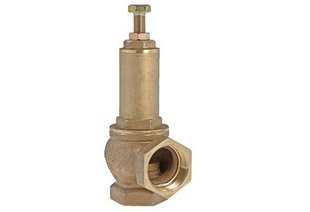
Safety Valves
Safety valves are protective pipeline devices designed to automatically relieve excess pressure when a system reaches a predetermined limit. They are used on pipelines, boilers, heat-transfer equipment, vessels and various industrial installations where uncontrolled overpressure may endanger equipment. Once acceptable operating conditions are restored, a properly functioning valve closes again. Correct valve selection is therefore an important part of pressure-system protection.
Main types of safety valves
Spring-loaded safety valves use spring force to keep the closing element seated during normal operation. When system pressure reaches the set pressure, the pressure force overcomes the spring load and the valve opens to discharge part of the process medium.
Depending on the operating principle and lift characteristics, full-lift and low-lift designs may be used. The appropriate configuration is selected according to the required relieving capacity and the operating conditions of the protected system.
Flanged safety valves are commonly used in industrial piping where a detachable connection is required for installation, inspection or maintenance. The connection arrangement should always correspond to the piping design and the intended service.
Safety valve materials and designs
Body material is selected according to the process medium, pressure, temperature and surrounding operating conditions. Industrial applications may use carbon steel, cast iron or stainless-steel bodies, while other materials are available for particular engineering applications.
A steel safety valve can be suitable for many industrial piping and equipment applications when its material specification corresponds to the service conditions. Stainless-steel designs are considered where additional corrosion resistance is required. Compatibility of trim and sealing materials with the process fluid should also be verified before ordering.
Where safety valves are used
A pressure relief valve is installed where equipment or piping requires protection against unacceptable pressure increase. Typical applications include heating and heat-supply systems, boiler installations, pressure vessels, pumping equipment, industrial plants and process piping.
The correct design depends on the actual service. A valve intended for one medium should not automatically be considered suitable for water, steam, gas or another process fluid without checking the manufacturer's technical data.
How to select a safety valve
Selection starts with the process medium, operating temperature, normal system pressure and required set pressure. Engineers should then consider relieving capacity, body and sealing materials, connection type and valve construction.
DN and PN may be important when matching a valve to the piping system, but they are not sufficient selection criteria on their own. Set pressure and required discharge capacity are particularly important for effective overpressure protection. For critical installations, selection should be based on the equipment or project engineering requirements.
The price of a safety valve varies depending on its construction, material, connection, size, performance requirements and manufacturer.
Why order from Pipeline Systems of Ukraine
The Pipeline Systems of Ukraine catalogue allows customers to select industrial safety valves for different piping and engineering applications. Specialists can assist with matching available products to specified operating requirements and provide information on current availability, pricing and order configuration.
Products can be ordered for retail or wholesale supply with delivery across Ukraine. Documentation availability and detailed specifications can be confirmed for the particular product before an order is placed.
Popular sizes
The available size range depends on the specific valve model, manufacturer and current catalogue assortment. For this reason, actual sizes should be checked in individual product listings or confirmed during product selection rather than replaced with a generic size list.
CTA
Need to buy a safety valve for piping or industrial equipment? Send your operating requirements to confirm availability and price and receive assistance in selecting a suitable configuration for your system.
FAQ
1. What is the purpose of a safety valve in a piping system?
A safety valve protects pressurised equipment by automatically relieving excess pressure. It opens when the specified set pressure is reached and closes again as system conditions return to an acceptable level.
2. How does a spring-loaded safety valve operate?
A spring applies force to keep the closing element against its seat during normal service. When pressure reaches the set point, the pressure force overcomes the spring load and the valve opens to discharge the medium.
3. What is the difference between full-lift and low-lift safety valves?
The designs differ in the movement of the closing element during operation and consequently in their relieving characteristics. The appropriate type should be selected according to the required discharge capacity and the engineering requirements of the protected system.
4. Can the same safety valve be used for water, steam and gas?
Not automatically. Valve suitability depends on its intended service, construction materials, seals and operating characteristics, so compatibility with the specific process medium must be confirmed before installation.
5. What information is required when ordering a safety valve?
Useful selection data includes the process medium, operating temperature, system pressure, required set pressure, connection type and required relieving capacity. When replacing an existing valve, its identification and technical data can also help determine an appropriate replacement.